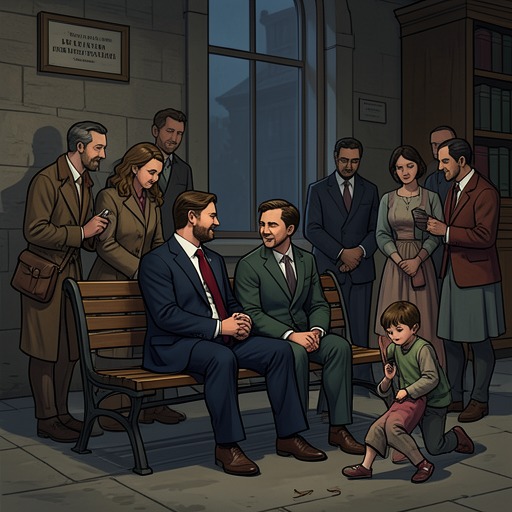
J.D. Vance and Usha’s joint clerkship decision
Hillbilly ElegyJ.D. Vance and Usha’s joint clerkship decision turned a career step into a shared undertaking, shaped by Vance’s desire to learn, work for someone he respected, and stay close to Usha. The couple landed in northern Kentucky, where their regard for their judicial bosses extended beyond the workplace: they asked the judges to officiate their wedding.
The Decision
Vance first settled on the idea that he wanted to clerk. Rather than enter the process without a clear sense of its purpose, he identified what he hoped to gain from it. That shift—from wanting a clerkship in the abstract to defining what the experience should offer—gave the decision a personal direction.
What He Wanted from the Clerkship
Vance’s aims were to work for a person he respected, learn as much as he could, and be close to Usha. Professional development and personal attachment were therefore part of the same calculation. The clerkship was not presented only as a step in a legal career; its value also depended on the people and shared life it would bring within reach.
A Shared Process
Usha and Vance decided to go through the clerkship process together. Their joint approach made the choice a coordinated one rather than two separate career moves. The account does not specify how they arranged or divided the applications, but it makes clear that being together was among Vance’s stated priorities from the outset.
Northern Kentucky and the Wedding
They landed in northern Kentucky, not far from where Vance had grown up. He describes the placement as the best possible situation, aligning the location with the aims he had set for the experience. The couple liked their judicial bosses so much that they asked them to officiate their wedding, linking their professional relationship to a major personal occasion.